Discover why bamboo is one of the most advanced natural building materials. Learn how its strength, flexibility, and renewability make it ideal for modern sustainable construction.
Why Bamboo Is the Future of Sustainable Building Materials
Bamboo is no longer seen as just a traditional material. Today, it is gaining recognition as one of the most intelligent natural resources for sustainable construction, interior applications, and modern design.
What makes bamboo exceptional is not only how fast it grows, but how efficiently it is built. Every part of the plant serves a purpose, from underground support and regeneration to above-ground strength and flexibility. This natural design is what makes bamboo such a valuable material for the future of building.
At Numat, we see bamboo as more than a resource. We see it as a high-potential material that brings together performance, renewability, and design value in one system.
A Natural Material Designed for Performance
Bamboo belongs to the grass family, yet it develops woody stems and structural characteristics that make it highly effective for construction and engineered applications.
Its internal structure is lightweight yet strong. Its growth cycle is rapid. Its ability to regenerate naturally makes it one of the most renewable material options available today. These qualities have made bamboo increasingly relevant in architecture, product design, and sustainable manufacturing.
For brands, builders, and designers looking for alternatives to conventional timber-based materials, bamboo offers a compelling path forward.
How Bamboo Works as a Natural Structural System
Underground Strength: Roots and Rhizomes
Bamboo begins with a powerful underground network of rhizomes. These connected stems anchor the plant, support rapid regrowth, and help stabilize the surrounding soil.
This system is one of the reasons bamboo can recover efficiently after harvesting. It also contributes to erosion control and long-term environmental resilience, especially in vulnerable landscapes such as slopes and riverbanks.
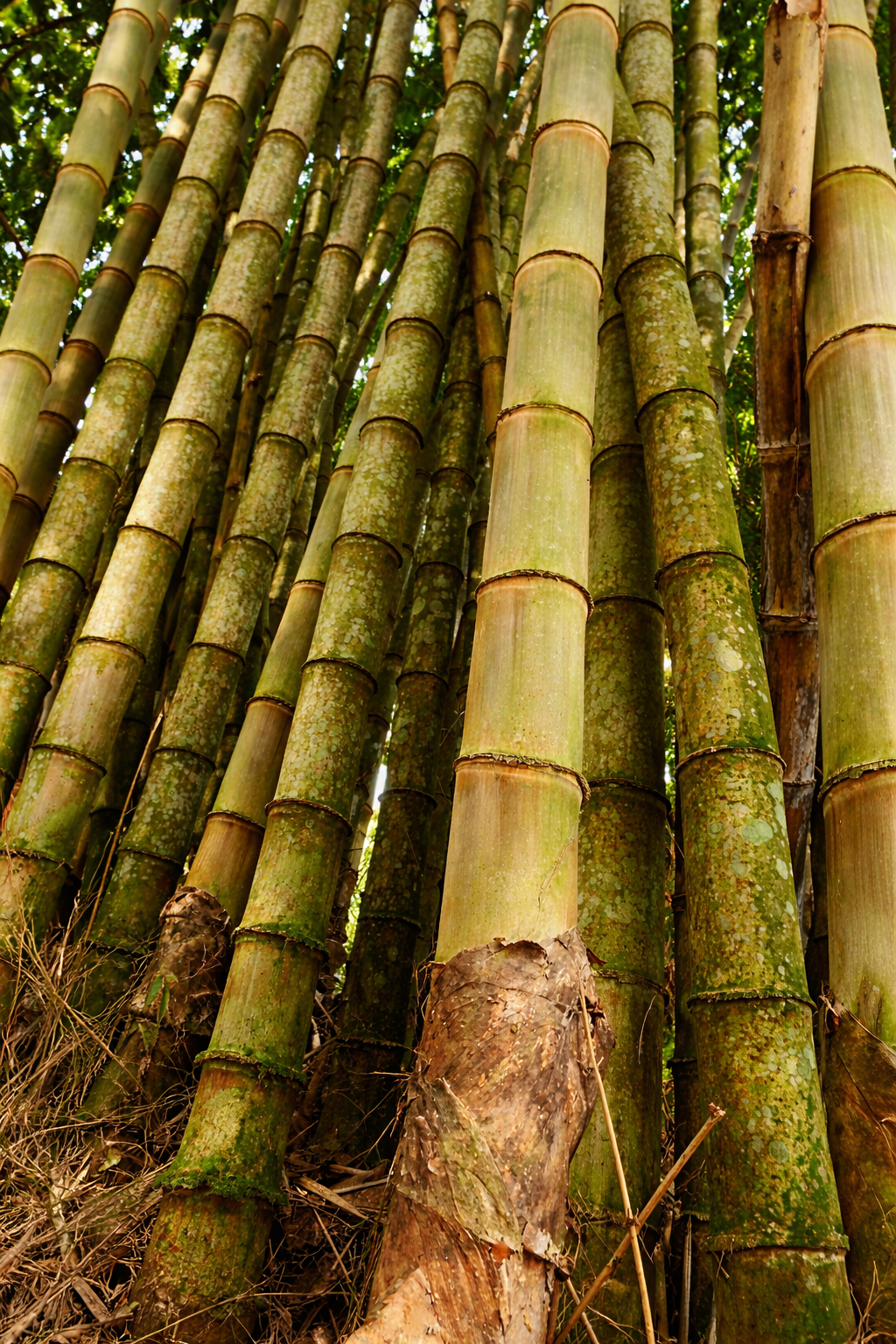
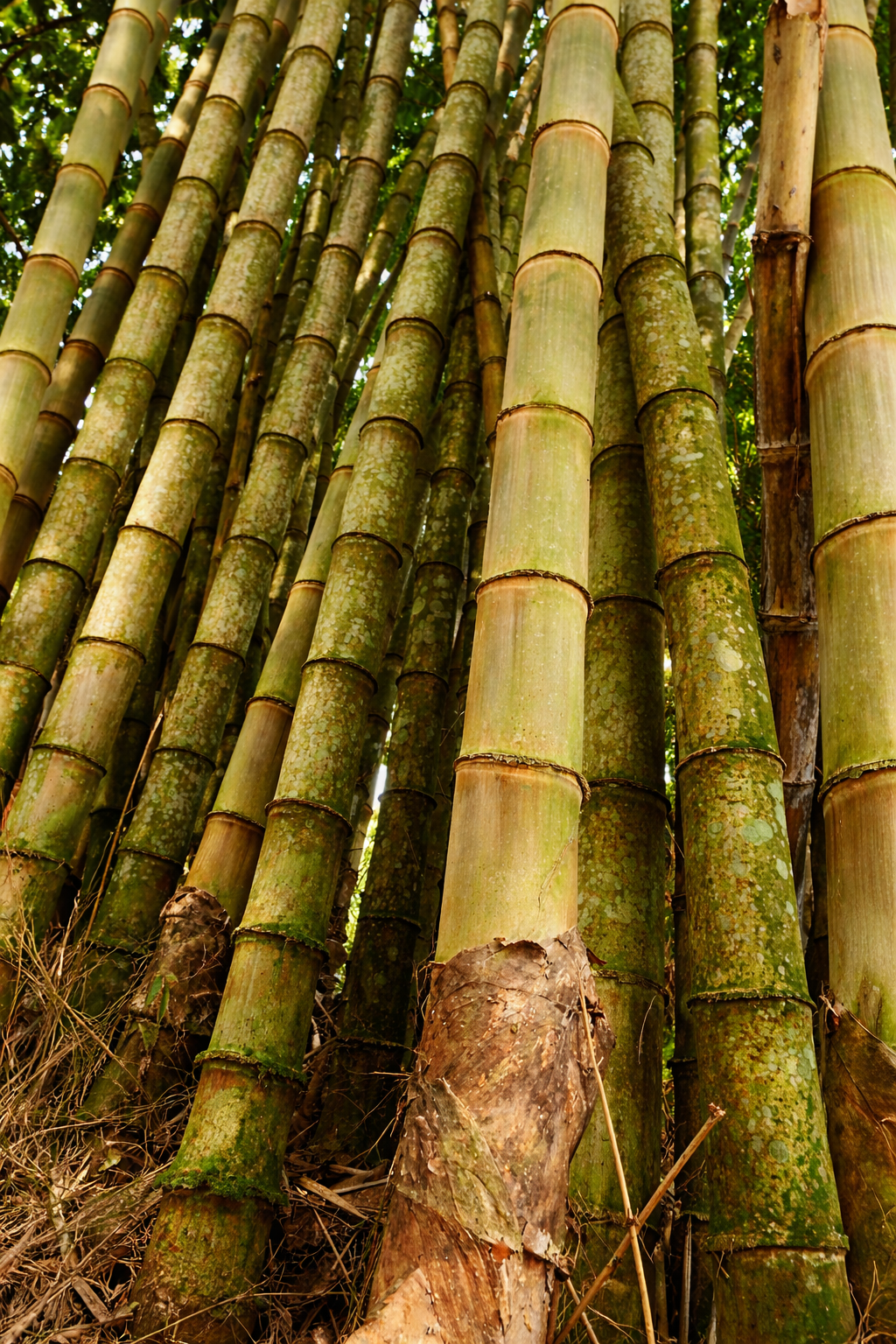
Structural Value: The Culm
The culm, or bamboo stem, is the most visible and most commercially valuable part of the plant. It is widely used in construction, furniture, architectural elements, and engineered bamboo products.
Bamboo culms are known for their impressive strength-to-weight ratio, making them both durable and efficient. This balance allows bamboo to perform well in applications where strength, reduced weight, and sustainability all matter.
Built-In Engineering: Nodes and Internodes
One of bamboo’s greatest advantages is its segmented structure.
The nodes act as reinforced joints, while the internodes reduce excess weight. Together, they create a material that can handle stress while remaining flexible. This natural pattern helps bamboo resist cracking, absorb movement, and perform well under changing environmental conditions.
It is a clear example of nature producing design with engineering logic.
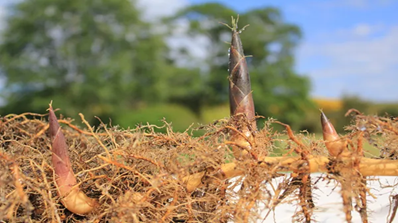
Regeneration and Food Value: Bamboo Shoots
Before becoming mature stems, bamboo begins as young shoots. These shoots are widely used as food in many parts of Asia and remain part of traditional cuisine in the Philippines.
Their fast growth and nutritional value add another layer to bamboo’s versatility, reinforcing its role not only as a building material but as a renewable resource with multiple economic uses.
Ecosystem Contribution: Leaves and Sheaths
Bamboo leaves support the wider environment by returning nutrients to the soil as they decompose. This helps improve soil health and supports natural ecosystem cycles.
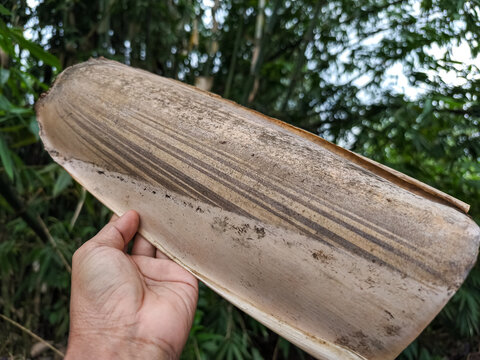
The sheath, which protects young shoots during early growth, is another example of bamboo’s efficiency. Lightweight and biodegradable, it has also inspired interest in sustainable packaging and fiber-based material innovation.
Long-Term Renewal: Flowers and Seeds
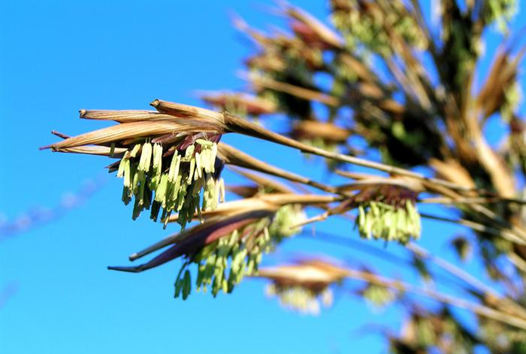
Although bamboo flowering is rare, it remains an important part of the plant’s long-term life cycle. Different species flower at different intervals, sometimes only once in several decades.
This rare cycle supports seed production, biodiversity, and long-range regeneration, making bamboo a resource that operates on both fast and long-term ecological timelines.
Why Bamboo Matters Now
As industries move toward lower-impact materials, bamboo is becoming more relevant than ever. It offers a rare combination of renewable growth, structural capability, and natural beauty.
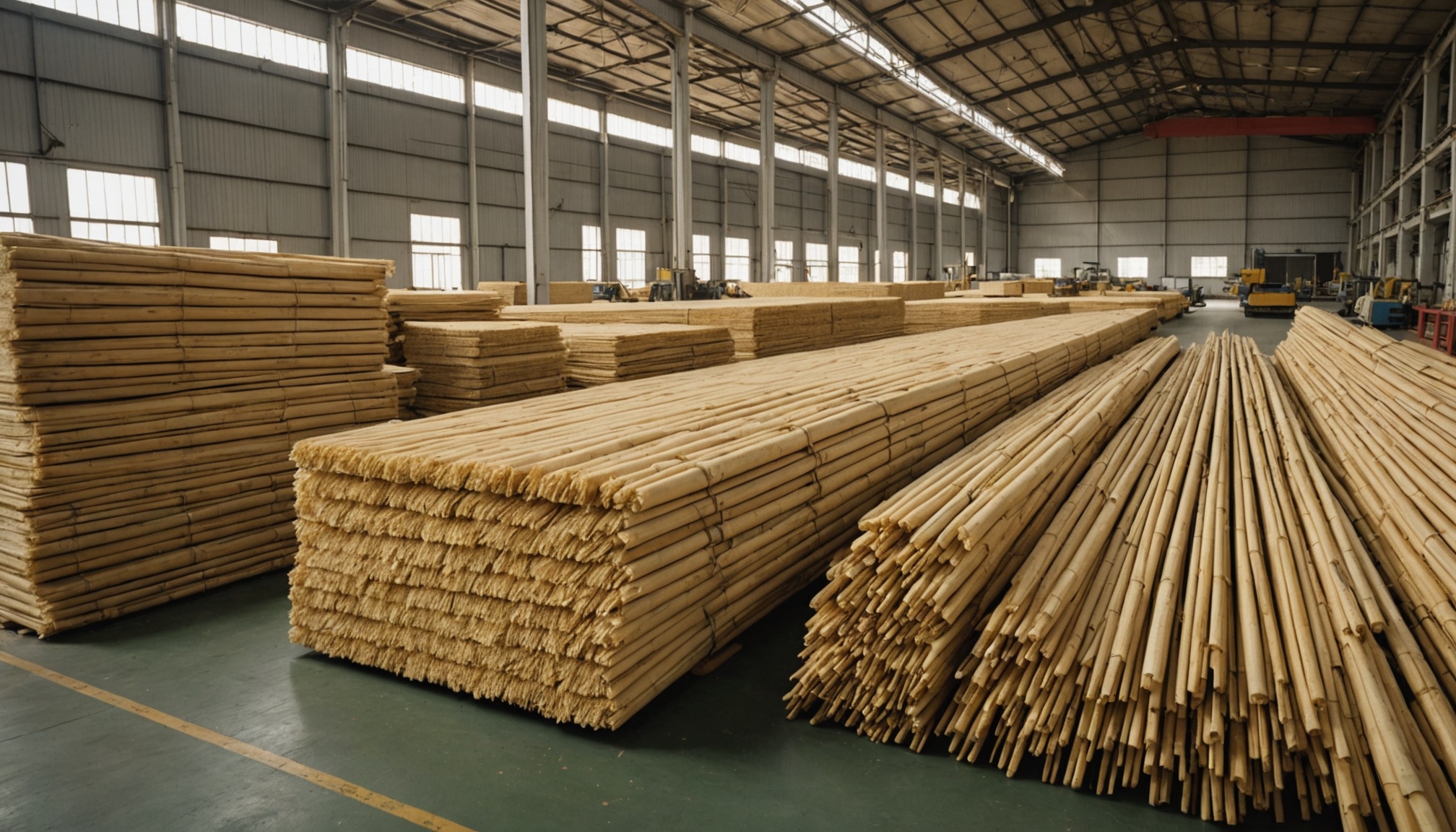
In the Philippines, bamboo has long been part of everyday life through housing, tools, furniture, and handicrafts. Today, that same material is finding new value in engineered boards, interior finishes, and modern construction systems.
This shift creates opportunities not only for better materials, but for stronger local industries, more resilient supply chains, and more sustainable design solutions.
A Smarter Material for the Future
Bamboo stands out because it solves multiple challenges at once. It is renewable, efficient, adaptable, and aligned with the growing demand for responsible material choices.
For businesses, developers, architects, and homeowners, bamboo represents more than an eco-friendly alternative. It represents a smarter way to build.
At Numat, we believe bamboo should be part of the next generation of material innovation — not only because it is sustainable, but because it performs.
Explore Bamboo Solutions with Numat
Looking for premium bamboo materials for interiors, construction, or sustainable product applications? Numat develops bamboo-based solutions designed for modern performance, long-term value, and responsible manufacturing.
Contact us to learn more about our bamboo product lines and custom applications.
Interested in NUMAT products?
Explore our full range of engineered bamboo materials — boards, flooring, slat systems, and more.