
Why This Comparison Matters Now
The global flooring market is experiencing a material shift. As green building certifications such as LEED and BREEAM become standard expectations in commercial and residential development, specifiers are under increasing pressure to evaluate not just aesthetics and cost, but the full lifecycle impact of their material choices. Bamboo flooring, once considered a niche alternative, has matured into a technically credible competitor to traditional hardwoods. Yet misconceptions on both sides of the debate persist. This comparison examines both materials across the dimensions that matter most to professional buyers: mechanical performance, sustainability credentials, cost, maintenance, and long-term suitability.
Material Origins and Basic Composition
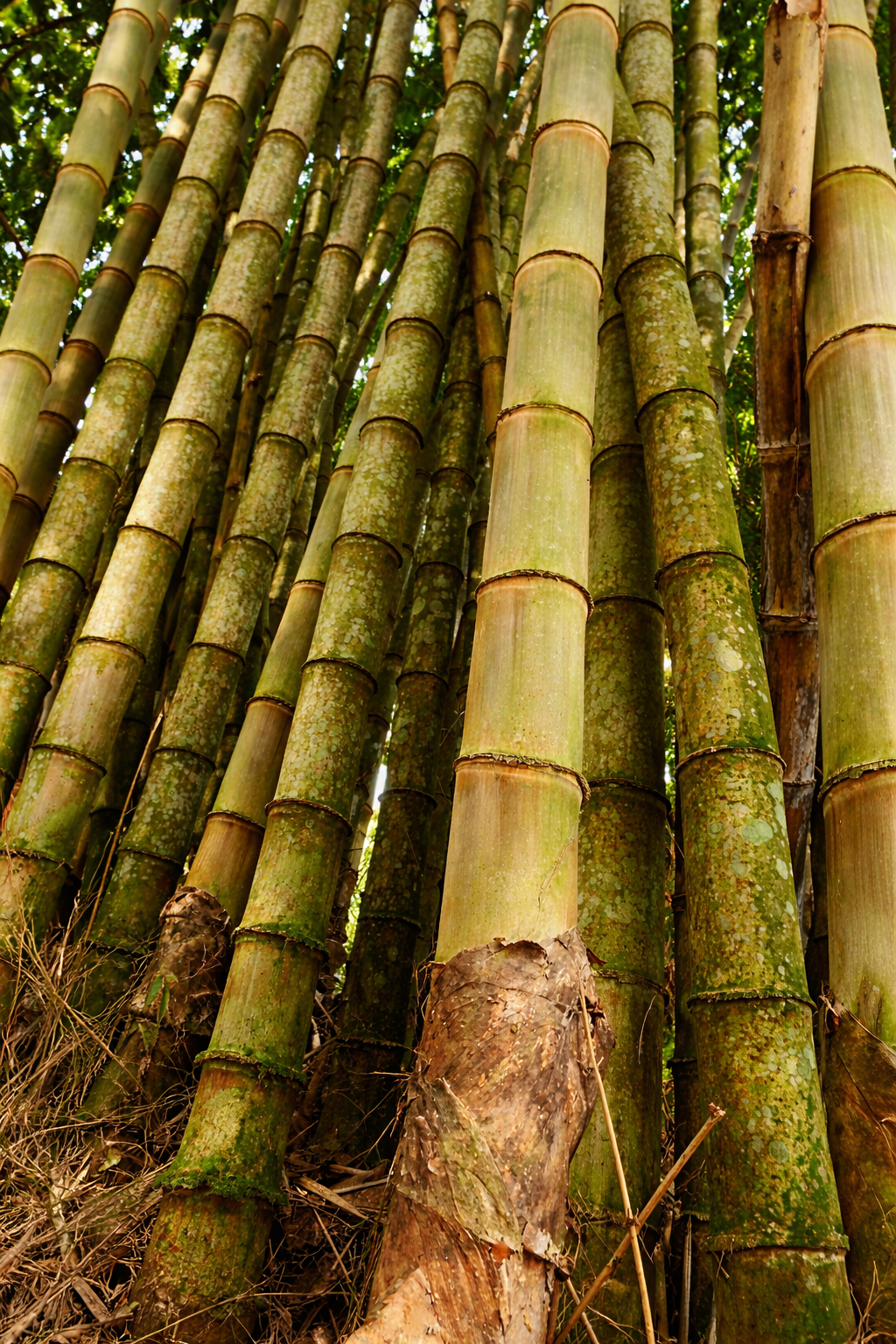
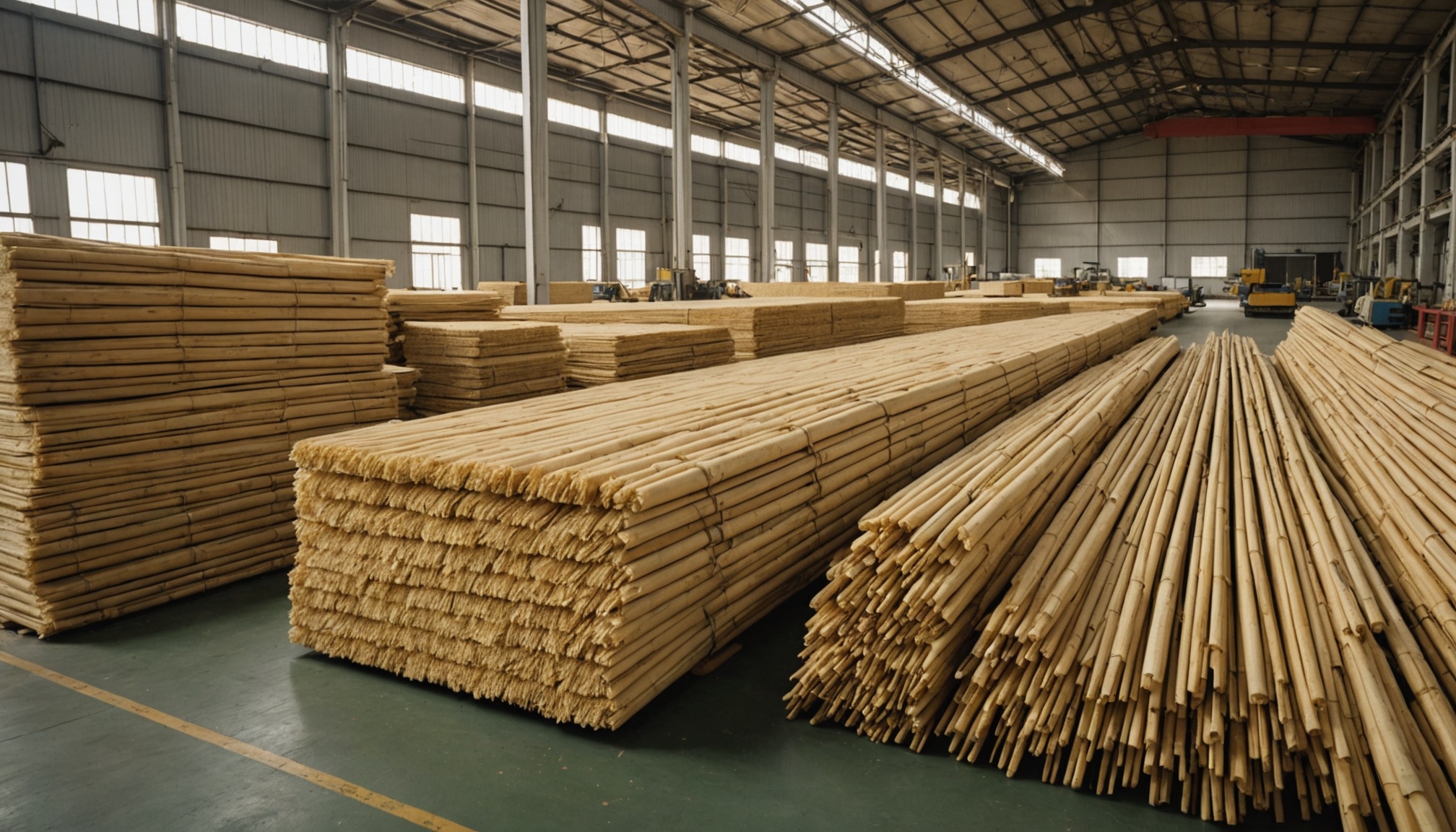
Hardwood flooring is milled from the timber of slow-growing deciduous trees such as oak, teak, maple, or merbau. Depending on the species, trees require anywhere from 25 to over 80 years to reach harvestable maturity. The flooring is produced either as solid planks or as engineered boards with a hardwood veneer over a plywood core. Bamboo flooring, by contrast, is manufactured from bamboo culms — technically a grass, not a timber — that are harvested at three to five years of maturity. The culms are processed into strips or fibers, which are then laminated under heat and pressure to produce solid boards. Strand-woven bamboo, one of the most common engineered forms, involves compressing shredded bamboo fibers with adhesive resins to create an exceptionally dense composite. The species Dendrocalamus asper, widely cultivated in Southeast Asia including Mindanao in the Philippines, is valued for its large culm diameter, rapid growth rate, and high fiber density, making it particularly well-suited for structural and flooring applications.
Hardness and Mechanical Performance
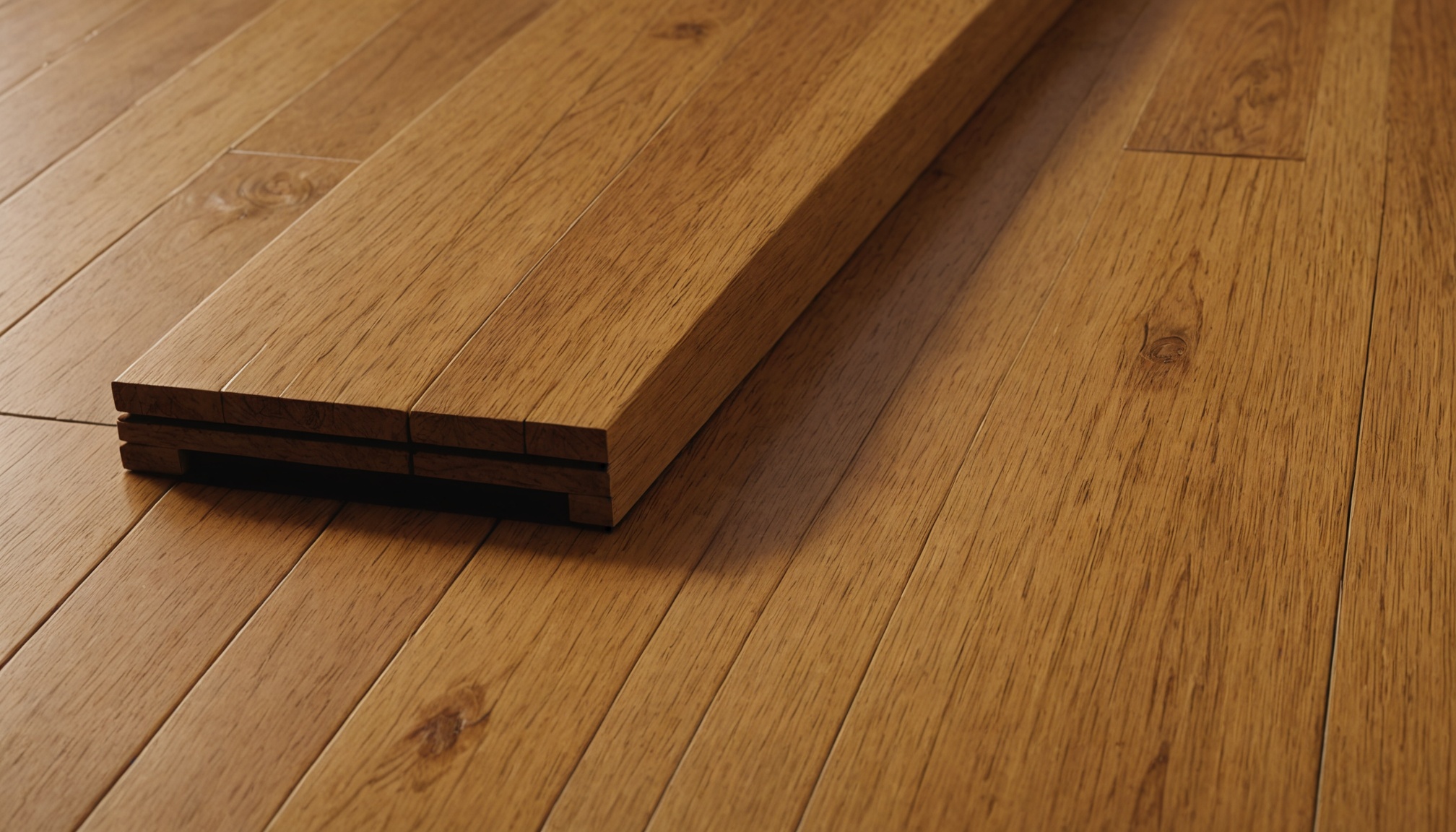
The Janka hardness test is the standard industry measure for resistance to surface indentation in flooring materials. Traditional hardwoods span a wide range: red oak registers approximately 1,290 lbf, Brazilian teak around 3,540 lbf, and merbau approximately 1,925 lbf. Solid and horizontal-laminated bamboo flooring typically falls between 1,000 and 1,400 lbf — comparable to mid-range hardwoods. Strand-woven engineered bamboo, however, performs substantially higher, with Janka ratings commonly measured between 3,000 and 5,000 lbf depending on the manufacturing process and species used, placing it among the hardest commercially available flooring options. This hardness translates directly to resistance against scratching, foot traffic wear, and furniture indentation — critical performance metrics in commercial environments such as hotel lobbies, retail spaces, and open-plan offices. It is worth noting that hardness alone does not determine overall durability; dimensional stability, moisture resistance, and surface coating quality are equally important factors that vary significantly between products and manufacturers.
Sustainability and Carbon Footprint
This is arguably where bamboo holds its most significant and verifiable advantage. The United Nations Food and Agriculture Organization (FAO) has documented bamboo's exceptional sequestration rates, noting that bamboo forests can sequester carbon at rates comparable to or exceeding many tree species, while being harvestable on a three-to-five-year cycle without killing the plant. The root system remains intact after harvest, preventing soil erosion and enabling the plant to regenerate rapidly. Hardwood forestry, even when responsibly certified under schemes such as FSC (Forest Stewardship Council), involves far longer regeneration cycles and more intensive land disruption. Illegally logged hardwoods — particularly species such as teak and merbau sourced from parts of Southeast Asia — remain a documented concern for procurement teams managing supply chain ethics. Engineered bamboo products manufactured with controlled processes can achieve a net carbon-negative status across their lifecycle when accounting for sequestration during growth, particularly when the bamboo is sourced from dedicated plantations rather than wild harvest. Buyers seeking to meet green building targets or corporate sustainability commitments will find bamboo flooring a more straightforward material to justify.
Moisture Resistance and Climate Suitability
Both hardwood and bamboo flooring are cellulose-based materials and are therefore susceptible to dimensional movement in response to humidity changes. In tropical climates — including the Philippines, Indonesia, and much of Southeast Asia — managing this movement is a critical installation consideration. Solid hardwood flooring can expand and contract significantly with seasonal humidity shifts, requiring careful acclimatization, substrate moisture testing, and appropriate gapping during installation. Engineered hardwood (with a plywood core) performs better in humid conditions than solid hardwood, but is still vulnerable to prolonged moisture exposure. Strand-woven bamboo flooring, due to its compressed fiber composition, tends to exhibit lower moisture uptake than some solid hardwood species. However, bamboo is not inherently waterproof and should not be installed in areas with direct water exposure, such as bathrooms or uncovered outdoor terraces, unless specifically treated and rated for those environments. In high-humidity tropical settings, proper subfloor preparation, vapor barriers, and appropriate adhesive selection are non-negotiable regardless of whether bamboo or hardwood is specified.
Cost Comparison Across the Procurement Cycle
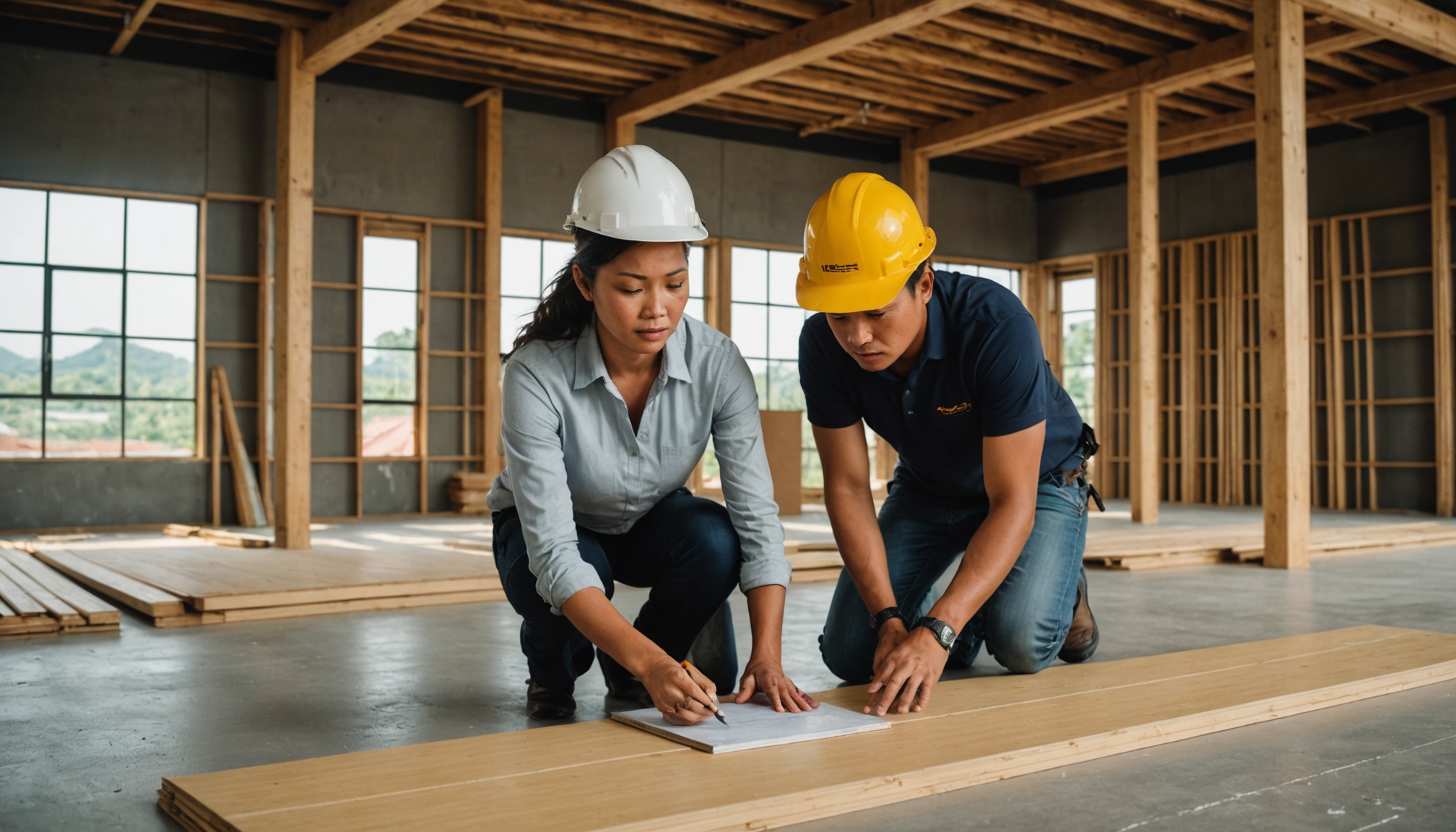
Material cost comparisons between bamboo and hardwood flooring are heavily context-dependent, varying by species, product format, surface finish, and regional market. At a general level, entry-to-mid-range bamboo flooring is price-competitive with mid-range hardwoods such as oak or ash. Premium strand-woven bamboo products occupy a similar price tier to higher-grade domestic hardwoods but typically undercut exotic imported species such as Brazilian walnut or teak. Where bamboo frequently demonstrates a cost advantage is in the total ownership cycle. Bamboo's faster manufacturing turnaround, more predictable supply chain from plantation-grown sources, and lower susceptibility to the price volatility that affects regulated tropical hardwood species can reduce long-term procurement risk. Maintenance costs for well-finished bamboo flooring are broadly comparable to hardwood — both require periodic recoating and protection from abrasive grit. Solid hardwood has the advantage of being sandable and refinishable multiple times over its lifespan; strand-woven bamboo, while refinishable, has a harder surface that requires appropriate equipment and may offer fewer refinishing cycles depending on board thickness.
Aesthetics and Design Flexibility
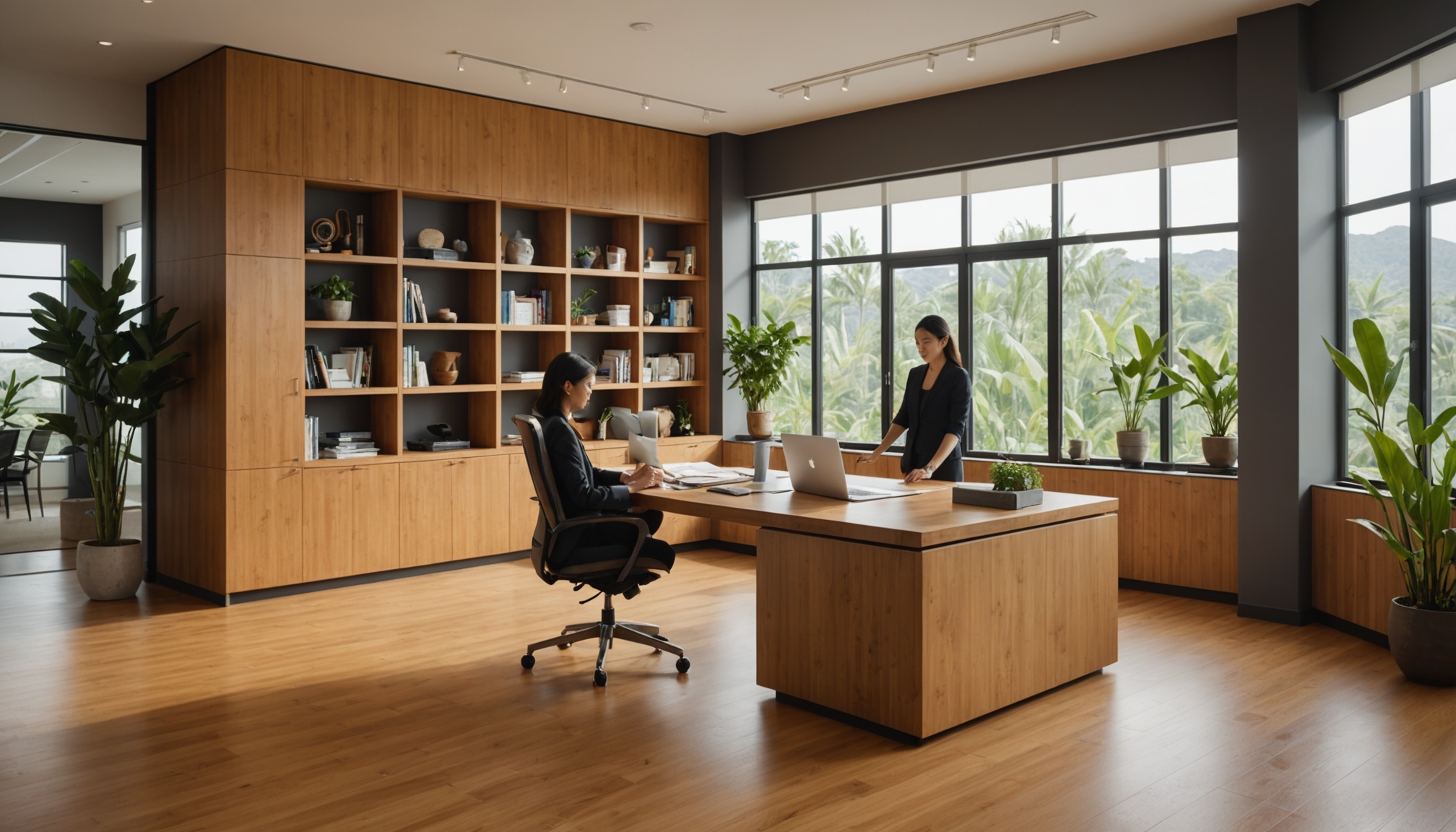
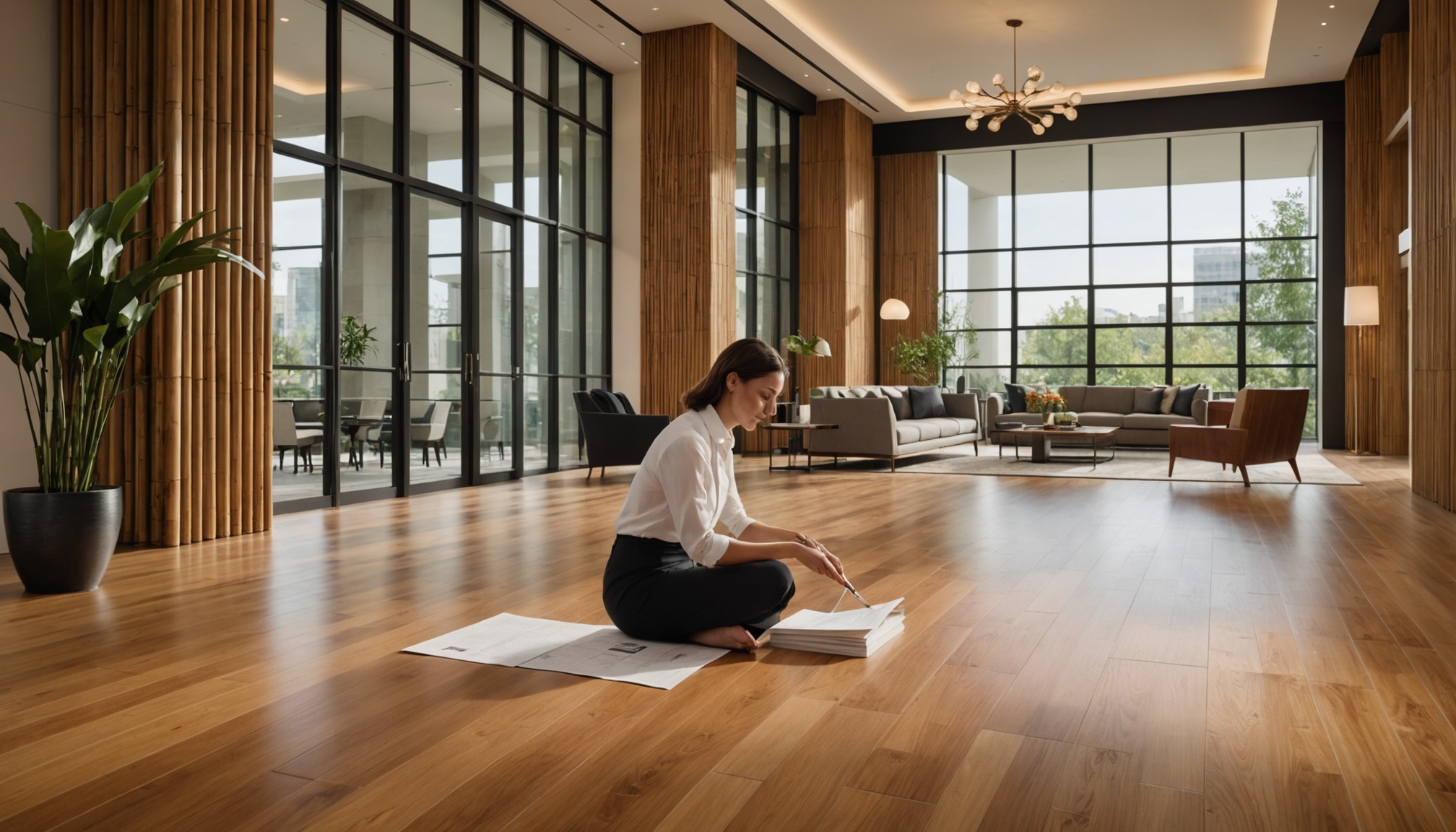
Hardwood retains a well-established design heritage and an extensive range of species-specific grain patterns, tones, and textures that remain highly desirable in luxury residential and hospitality interiors. The visual warmth and organic variation of a premium hardwood floor is difficult to replicate precisely. Bamboo flooring has evolved considerably from its early incarnations, which were often limited to pale, uniform tones. Contemporary engineered bamboo products are available in a widening range of finishes including carbonized (darkened through steam treatment), natural, and hand-scraped textures. The aesthetic character of bamboo — with its subtler grain and more linear pattern — suits modern minimalist, Japandi, and biophilic design schemes particularly well. For architects and interior designers specifying at scale for commercial or hospitality projects, engineered bamboo also offers dimensional consistency that can be advantageous in large-format installation projects.
Making the Right Specification Decision
Neither bamboo nor hardwood flooring is categorically superior — the right choice depends on the specific performance requirements, sustainability targets, budget parameters, and design intent of each project. Hardwood remains the preferred specification where maximum refinishability, traditional aesthetic heritage, or specific species characteristics are required. Engineered bamboo — particularly strand-woven formats — is the stronger choice where high traffic durability, verifiable sustainability credentials, supply chain transparency, and cost efficiency across a project lifecycle are the primary decision drivers. For buyers operating in the Asia-Pacific region, bamboo carries the additional advantage of being a regionally abundant resource with a shorter and more traceable supply chain than imported exotic hardwoods. As building standards and corporate ESG commitments continue to tighten, the technical and environmental case for quality engineered bamboo flooring in commercial and large-scale residential applications will only grow stronger.