

Bamboo vs Wood: A Scientific Comparison
As global demand for construction materials continues to increase, the environmental and economic limitations of traditional timber are becoming more evident. Bamboo is emerging as a high-performance alternative due to its rapid growth rate, renewability, and mechanical strength. This article compares bamboo vs wood based on growth cycles, carbon impact, strength, and long-term sustainability.
Growth Rate and Renewability
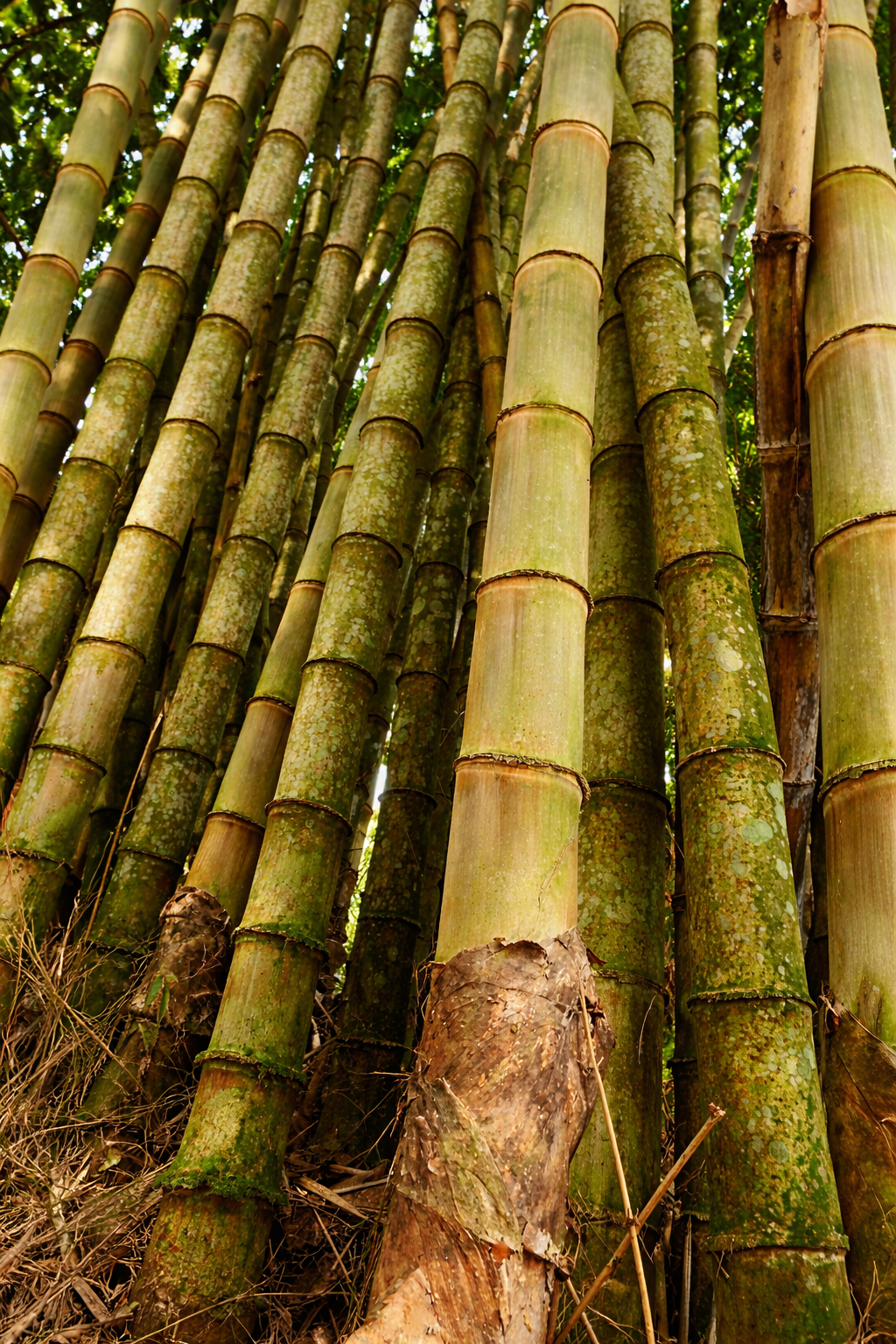
One of the most significant differences between bamboo and wood is growth speed. Bamboo is one of the fastest-growing plants in the world, with some species growing up to 1 meter per day under optimal conditions. Most commercial bamboo species reach maturity within 3 to 5 years, while hardwood trees typically require 20 to 50 years before harvest.
Unlike timber, bamboo regenerates from its root system after harvesting, eliminating the need for replanting. This allows for continuous harvesting cycles without deforestation, making bamboo a highly renewable raw material.
Carbon Sequestration and Environmental Impact
Bamboo has a higher carbon sequestration rate compared to many tree species due to its rapid biomass accumulation. Studies have shown that bamboo can absorb significantly more carbon dioxide per hectare than equivalent stands of trees, while also releasing more oxygen into the atmosphere.
In contrast, traditional logging contributes to deforestation, biodiversity loss, and long-term carbon emissions. Bamboo plantations, when managed properly, can support soil stability, reduce erosion, and restore degraded land.
Strength and Material Performance
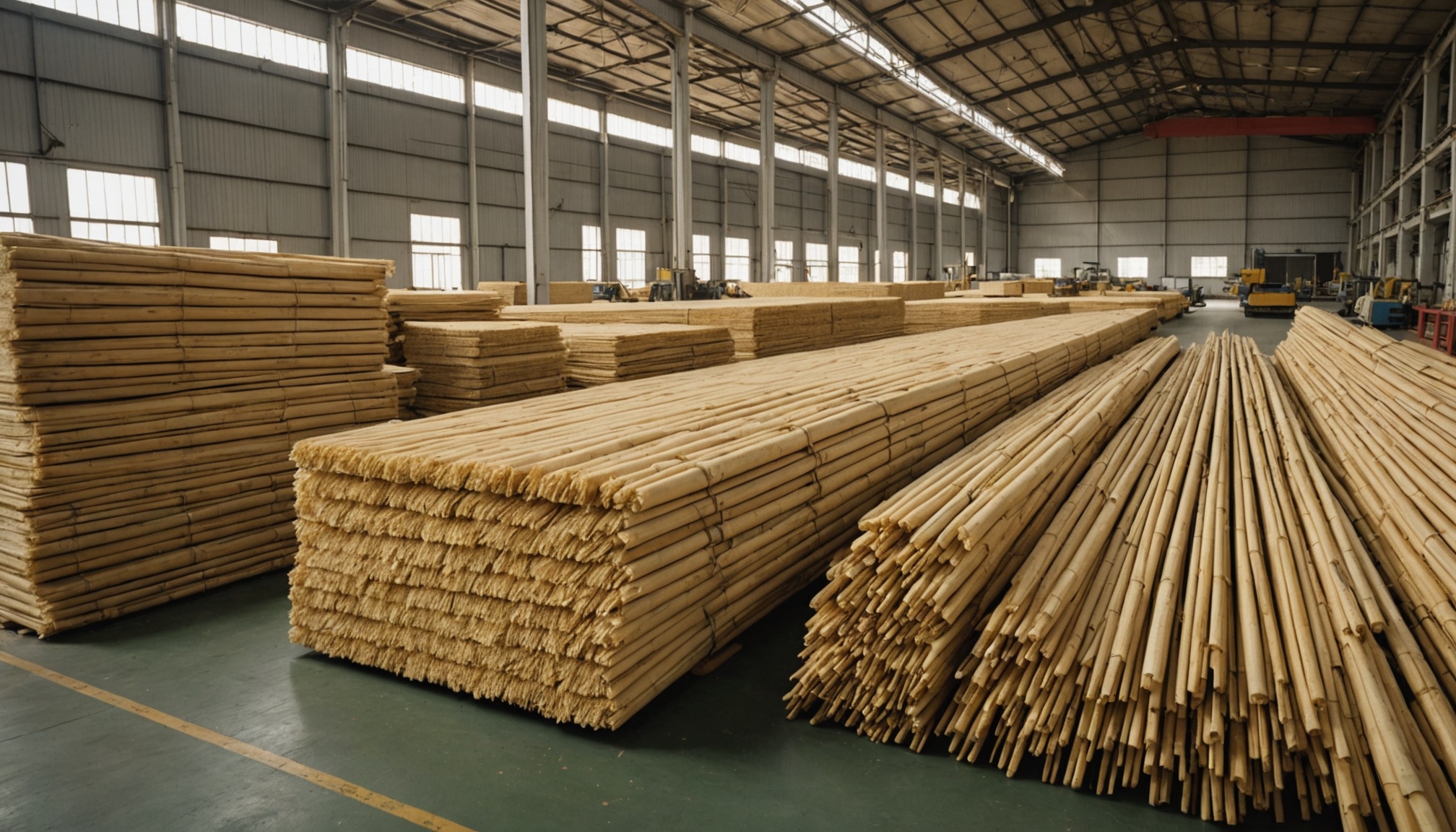
From a structural perspective, bamboo offers a high strength-to-weight ratio that is comparable to or exceeds many traditional construction materials. Engineered bamboo products, such as laminated bamboo boards and slat sheets, provide consistent strength, dimensional stability, and durability.
While natural wood varies widely depending on species and quality, engineered bamboo can be standardized for industrial applications, making it suitable for construction, furniture, and manufacturing.
Short-Term Benefits of Switching to Bamboo
In the short term, bamboo provides immediate advantages for manufacturers and builders. These include faster raw material availability, reduced supply constraints, and more predictable harvesting cycles. Bamboo can also be sourced locally in many regions, reducing transportation costs and import dependency.
For countries like the Philippines, where bamboo is abundant, shifting to bamboo materials can strengthen local supply chains and reduce reliance on imported timber products.
Long-Term Advantages Over Timber
Over the long term, bamboo offers a more sustainable and scalable solution compared to wood. Its rapid regeneration cycle ensures continuous supply, while its lower environmental impact aligns with global sustainability goals and regulatory trends.
As governments and industries move toward carbon reduction and sustainable sourcing requirements, bamboo is positioned to become a key material in the future of construction and manufacturing.
Why the Shift to Bamboo Is Inevitable
The global construction industry is under increasing pressure to reduce its environmental footprint. Traditional timber alone cannot meet future demand without accelerating deforestation and environmental degradation.
Bamboo provides a viable path forward by combining scalability, performance, and sustainability. As engineered bamboo technologies continue to improve, adoption is expected to increase across construction, furniture, and industrial sectors.