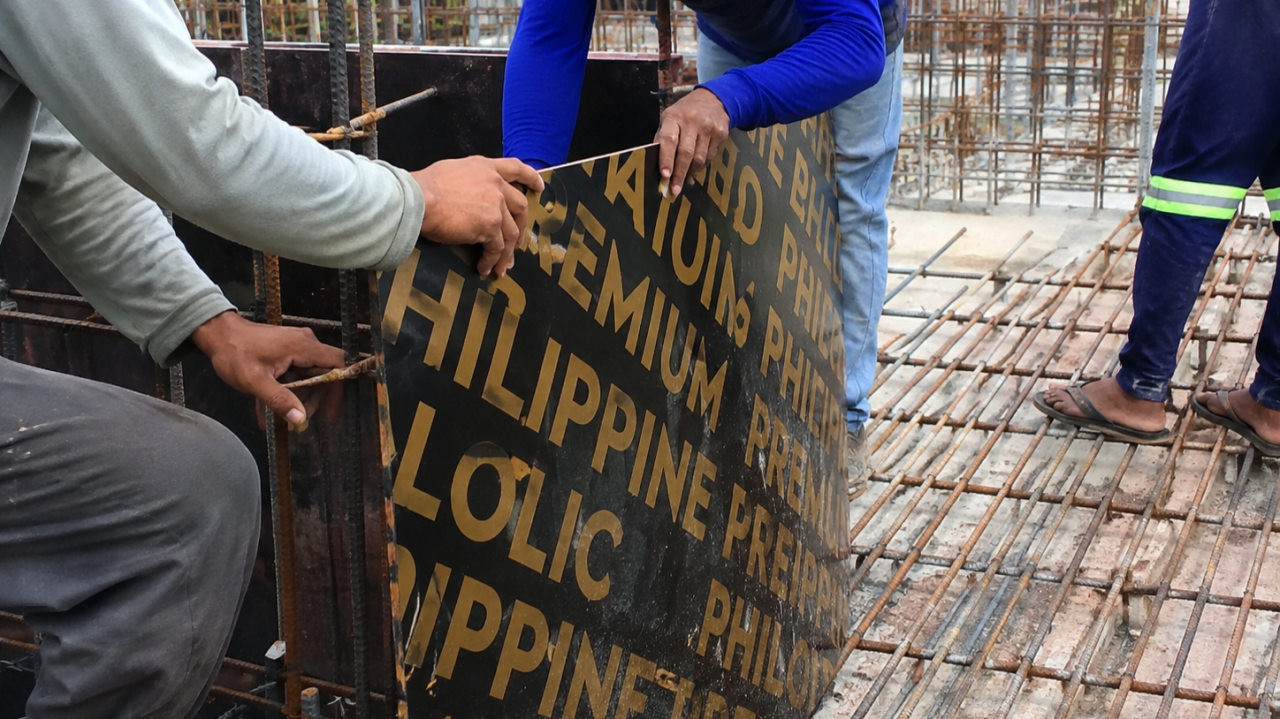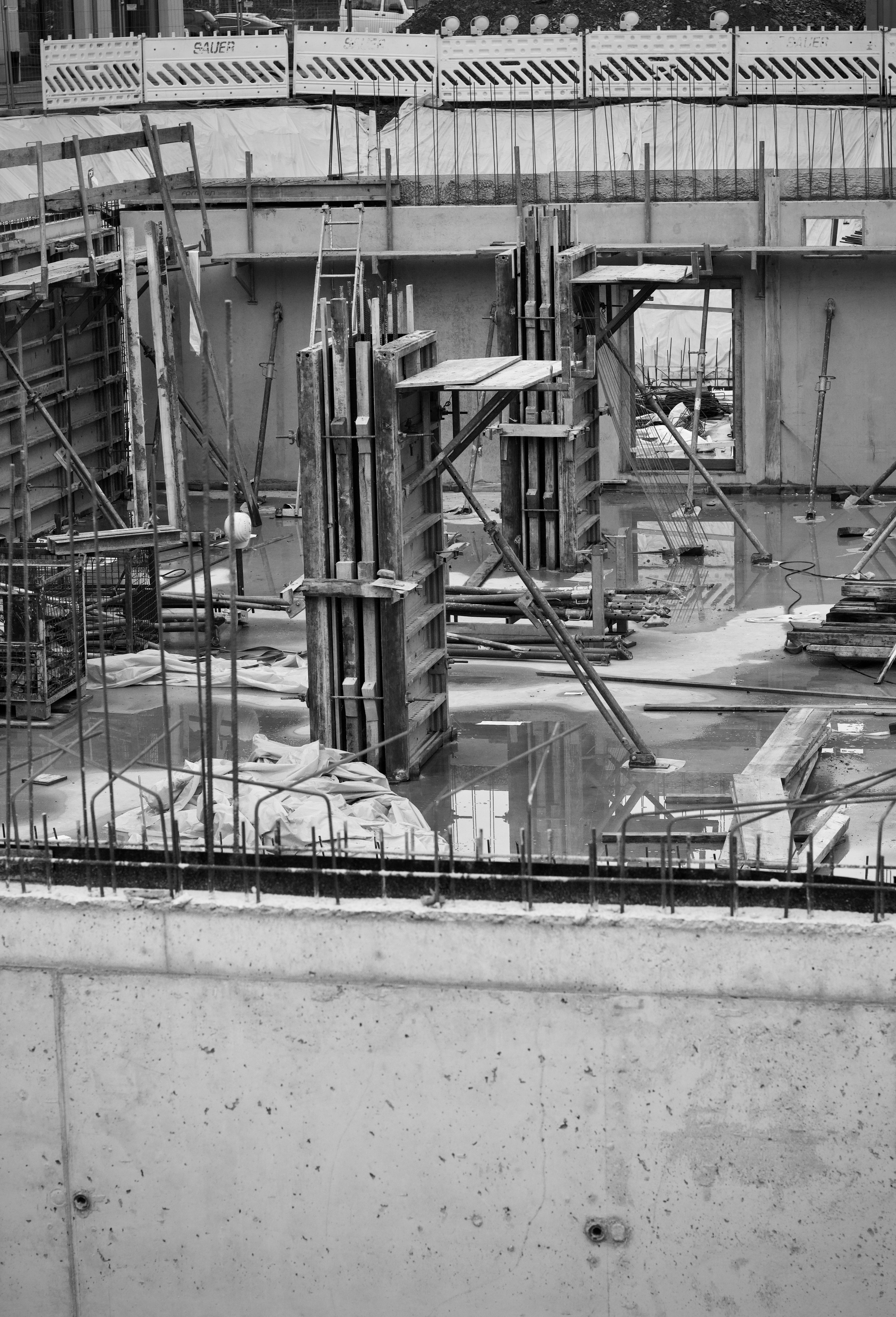

For decades, progress has been measured in concrete, steel, and timber. They built our cities, shaped our skylines, and became the default answer to almost every construction challenge. But today, the world is asking a different question:
How do we keep building without exhausting the planet?
That question is fueling what many now call the Bamboo Revolution, a shift in how we think about materials, manufacturing, and the future of sustainable development.
Across Southeast Asia, bamboo has always been part of our story. It grows in our backyards, supports local livelihoods, and has been used for generations in homes, tools, and everyday life. Yet for years, it has often been overlooked in favor of imported materials or slower-growing timber.
That is beginning to change.
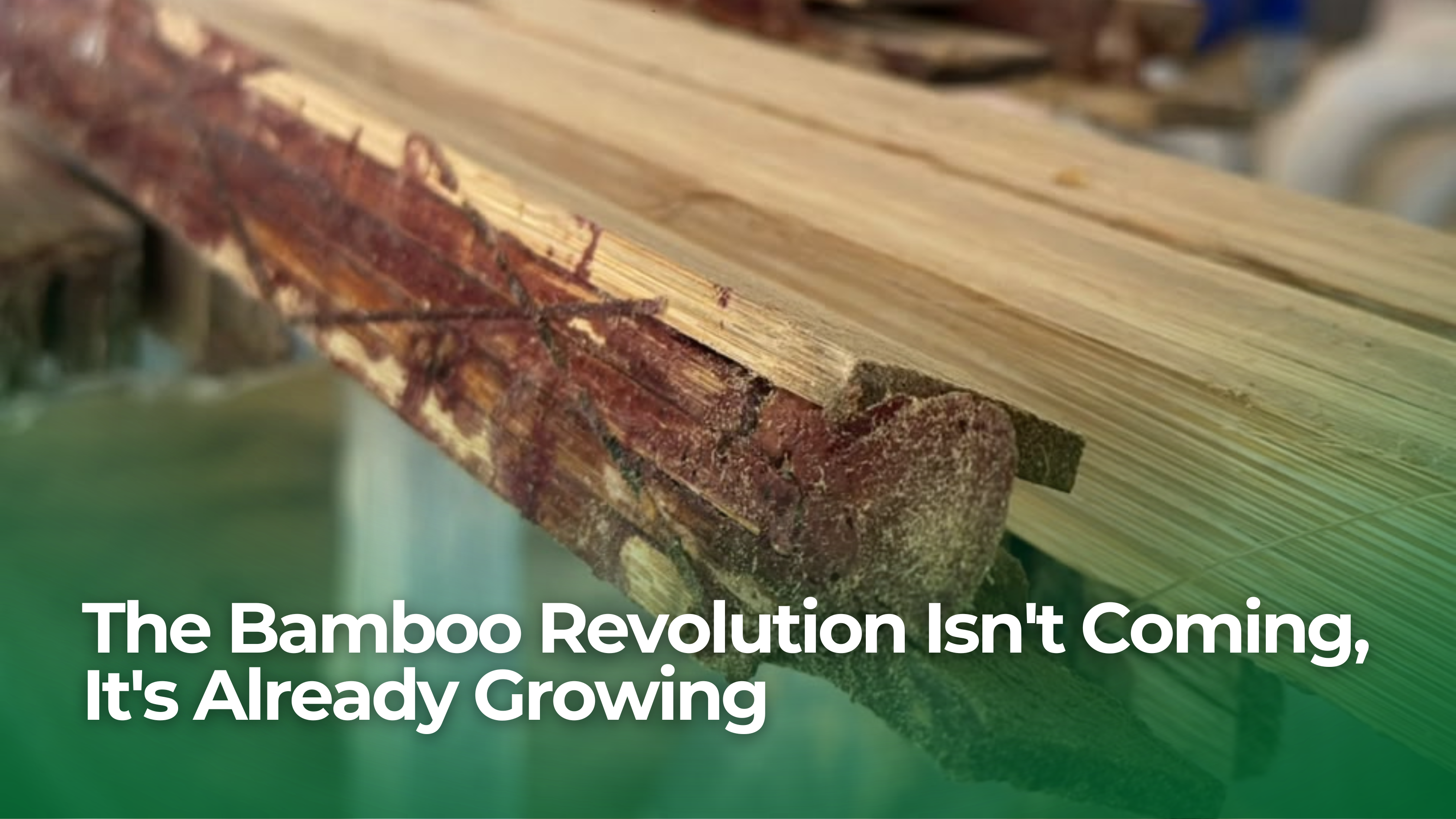
The conversation is no longer about bamboo as a "traditional" material. It is about engineered bamboo where innovation meets one of nature's fastest-growing renewable resources. Through advanced manufacturing, bamboo can now be transformed into high-performance panels capable of meeting the demands of modern construction, architecture, furniture, and industrial applications.
This isn't simply about replacing wood, it's about rethinking the entire value chain.
Imagine forests given more time to regenerate because pressure on hardwood decreases. Imagine local farmers benefiting from stronger demand for bamboo cultivation. Imagine manufacturers producing world-class materials from resources grown within the region instead of relying heavily on imports.
That is what a true bamboo economy looks like.
Southeast Asia is uniquely positioned to lead this movement. The climate is ideal. Bamboo grows abundantly. The talent exists. The demand for greener construction continues to rise. What has been missing is the bridge between raw potential and globally competitive products. That bridge is engineering.
Companies like NuMat are helping prove that sustainability and performance can exist together. By transforming bamboo into precision-engineered boards, the company is demonstrating that renewable materials are no longer alternatives, they are becoming serious contenders for the future of construction and design.
Revolutions are rarely built overnight, they happen one decision at a time.
One architect choosing a lower-impact material, one contractor willing to explore a new solution, one developer looking beyond conventional products, one manufacturer investing in innovation instead of extraction and ultimately, one board at a time.
The Bamboo Revolution is not about claiming that bamboo will replace every material. It is about expanding the possibilities of what sustainable manufacturing can achieve while creating stronger regional industries, reducing environmental impact, and proving that Southeast Asia can lead not follow the next generation of building materials.
The opportunity extends beyond business.
It is about creating resilient supply chains, supporting rural communities, encouraging responsible forestry, and showing that economic growth and environmental stewardship do not have to compete with one another.
As climate challenges continue to reshape industries worldwide, the materials we choose today will define the legacy we leave tomorrow.
The Bamboo Revolution has already begun.
And across Southeast Asia, every engineered bamboo board produced is another step toward a future where innovation grows from the ground beneath our feet.