
Why this comparison matters
Cabinet makers, furniture manufacturers, fit out contractors and interior designers in the Philippines have long defaulted to hardwood plywood and MDF. Both are familiar and easy to source, but both depend on timber that takes decades to grow, and much of it is imported. Engineered bamboo panels now give buyers a locally made alternative in the same standard sheet size. This guide compares the three on the points that matter when you specify a board: what it is made of, how it looks, how it works in the shop, how quickly the raw material grows back, and how easy it is to order.
What each panel is made of
Hardwood plywood is built from thin sheets of timber veneer glued in alternating directions. MDF is made from wood fibres bonded with resin and pressed into a flat, uniform board with no visible grain.
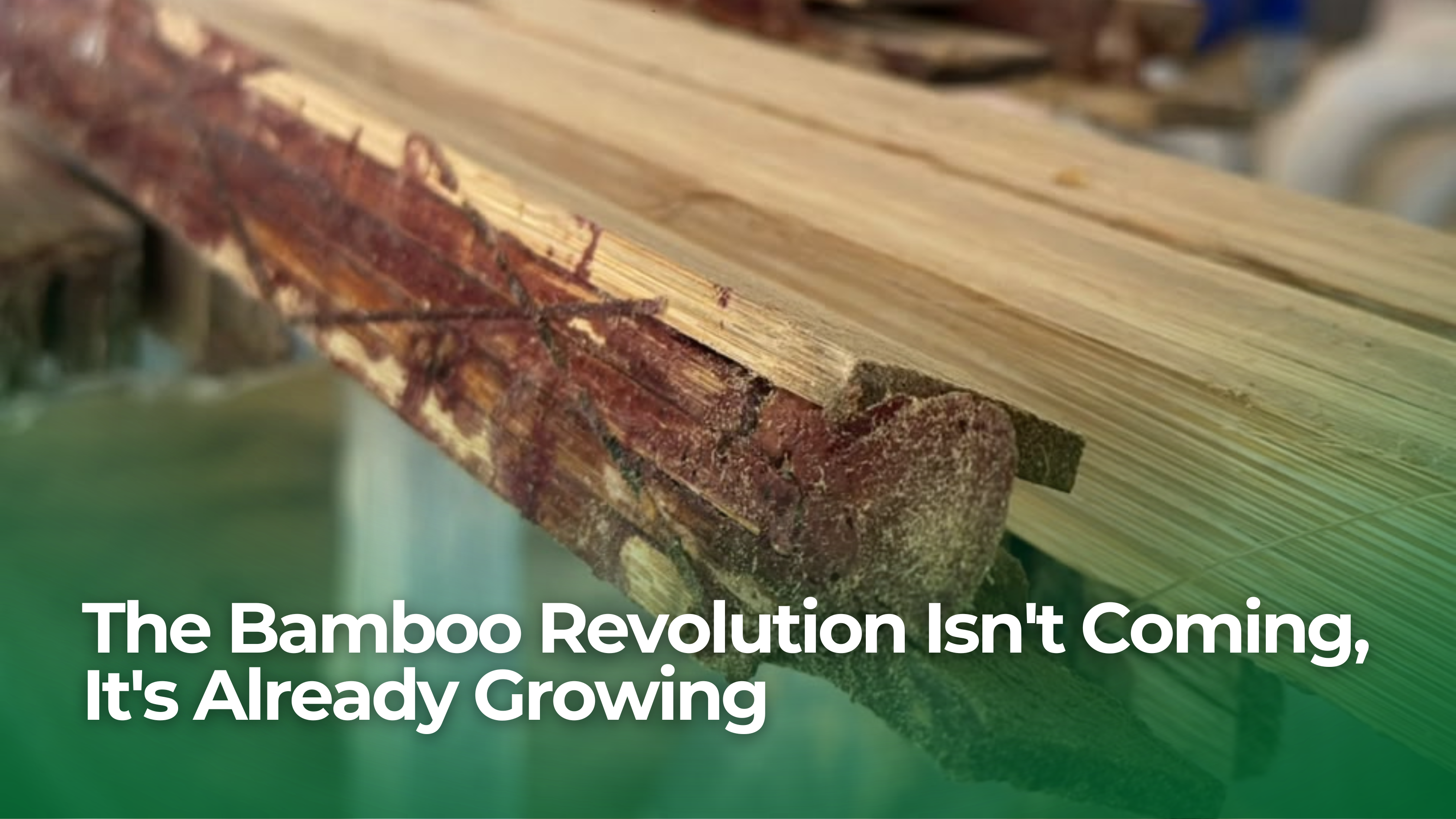
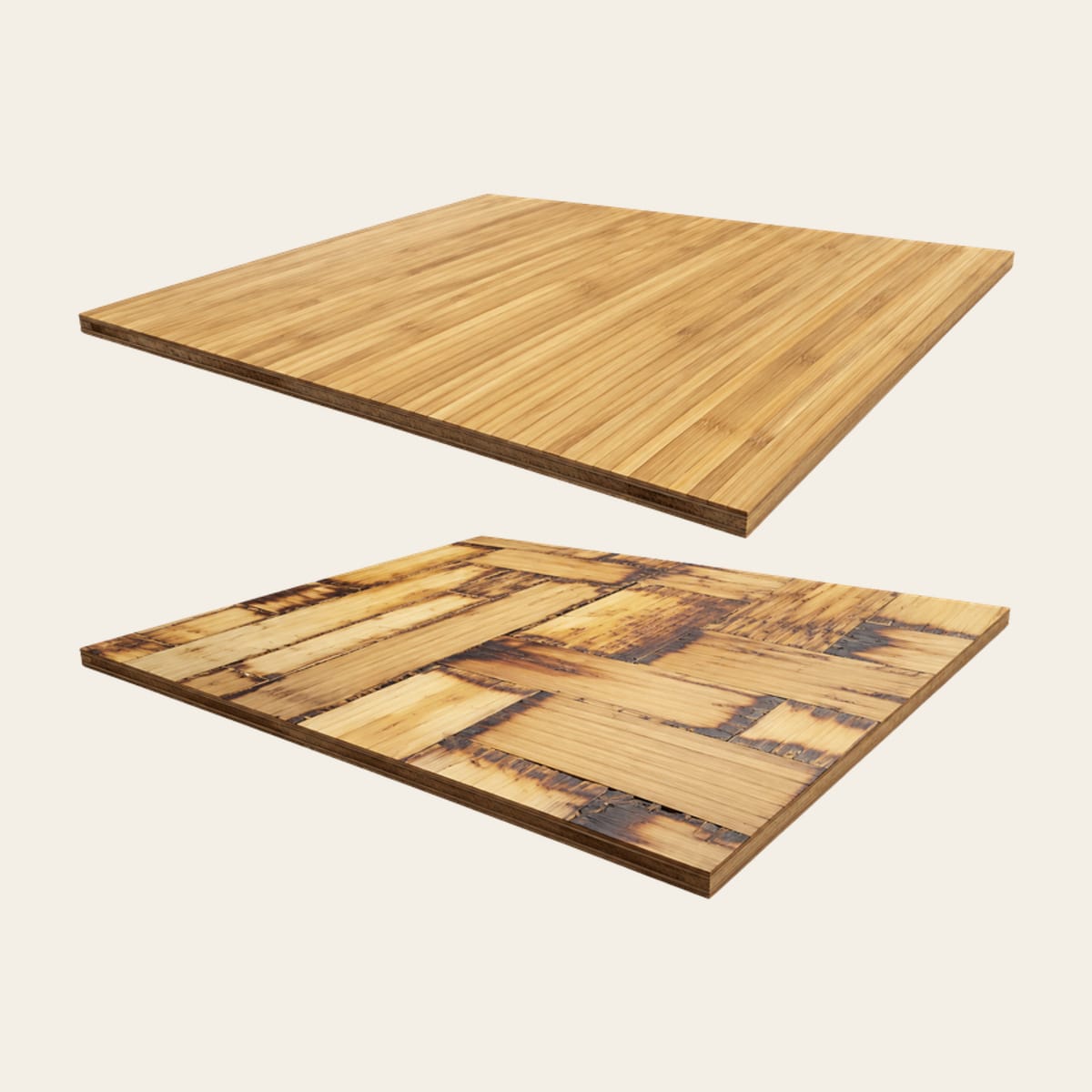
NuBrid is an engineered bamboo panel that pairs a refined laminated bamboo face with a woven bamboo back, bonded with phenolic (PF) resin in a 2 to 5 ply build depending on thickness. It is designed to replace MDF in cabinetry, furniture, wall panels and ceilings.
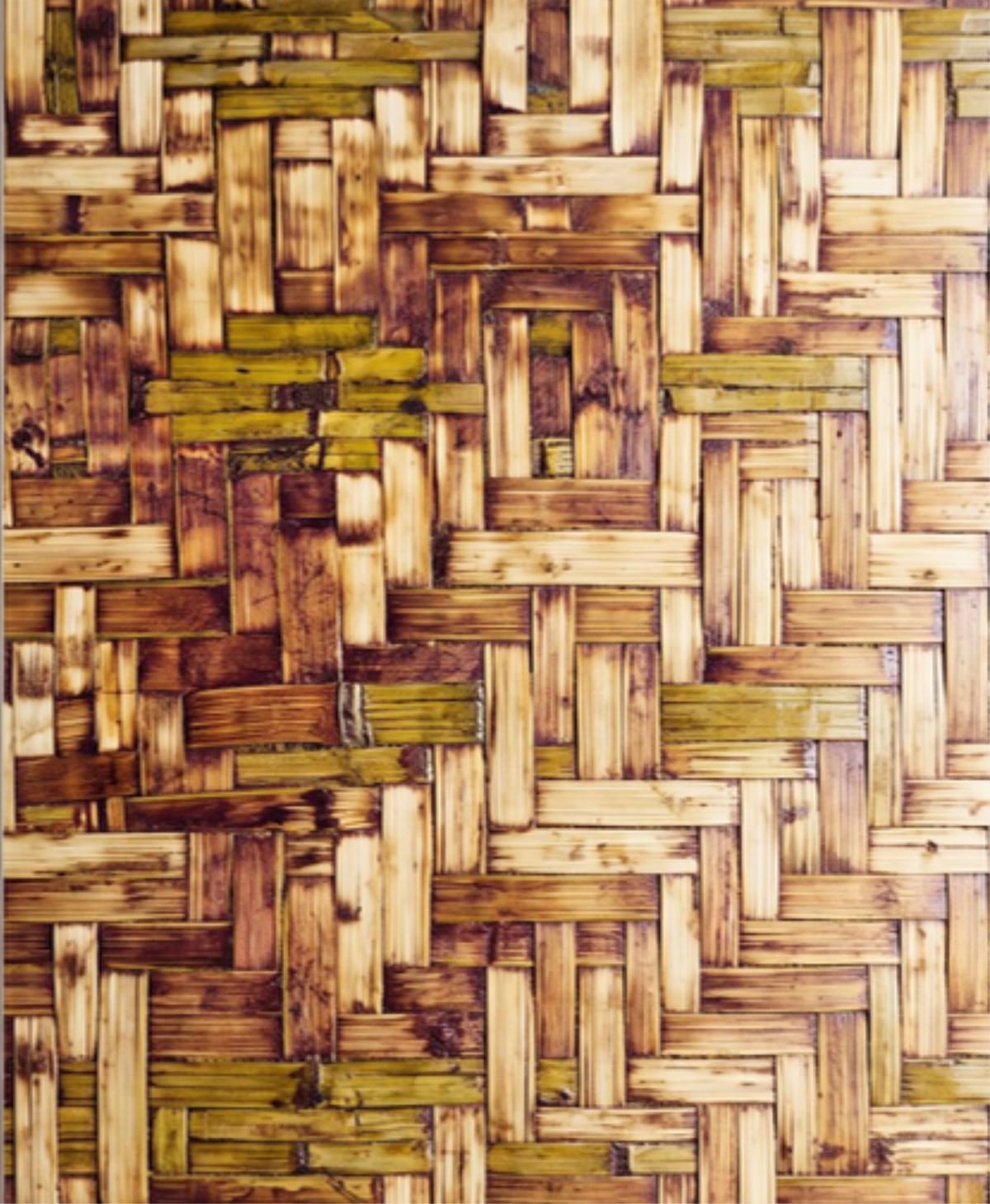
NuWev is a woven bamboo board made from bamboo mats, bamboo sawdust and phenolic resin, heat pressed into a dense sheet. It is made for decorative indoor wall cladding and feature walls, or as a stable substrate for laminates and veneers.
How quickly the raw material grows back
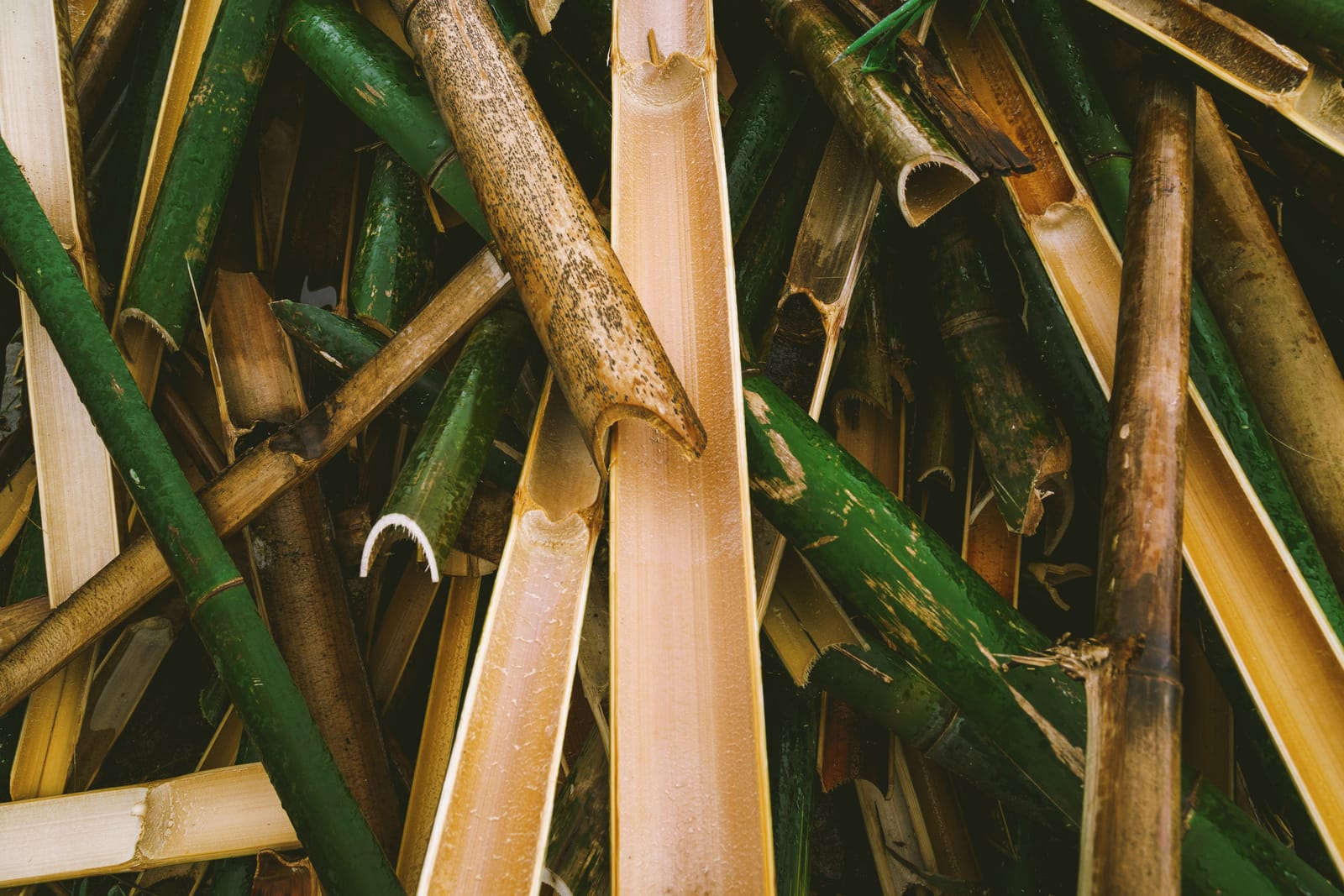
This is where bamboo stands apart. Bamboo reaches harvest maturity in 3 to 5 years and regrows from the same root system after harvest. Traditional timber used for plywood and wood fibre boards takes 20 to 40 years to reach maturity and has to be replanted. For buyers who need to show responsible material choices on a project, a fast renewing, locally grown raw material is a practical advantage.
Appearance and finish
MDF has no grain of its own and is almost always painted, laminated or veneered. Hardwood plywood shows the grain of its face veneer, which varies from sheet to sheet. NuBrid gives you a clean, natural bamboo face that can be left visible with a clear finish, while NuWev shows a hand woven bamboo pattern on every sheet, which makes it a feature material in its own right for walls and ceilings.
Working the panel in the shop
NuBrid is a smooth, machinable panel that cuts, routes and drills like the boards your workshop already uses, so no special tooling is needed. Its multi layer construction adds strength and dimensional stability, and moisture content is controlled at 6 to 10% at the factory to help the panel stay flat once it is installed.

Sizes and ordering
NuBrid and NuWev both come in the standard 2440 x 1220 mm (4 x 8 ft) sheet, so they drop straight into existing cutting lists and fit out details. NuBrid is available from 8 to 22 mm thick. The minimum order is 10 boards, which makes it easy to trial the material on a single project before switching a full line. Current prices for every thickness are shown live on each product page.
Which should you choose?
Choose NuBrid if you build cabinets, furniture, joinery, wall panels or ceilings and want a natural bamboo alternative to MDF with a finish you can leave on show.
Choose NuWev if you want a decorative indoor feature wall or ceiling with a woven bamboo pattern, or a stable substrate for your own laminate or veneer.
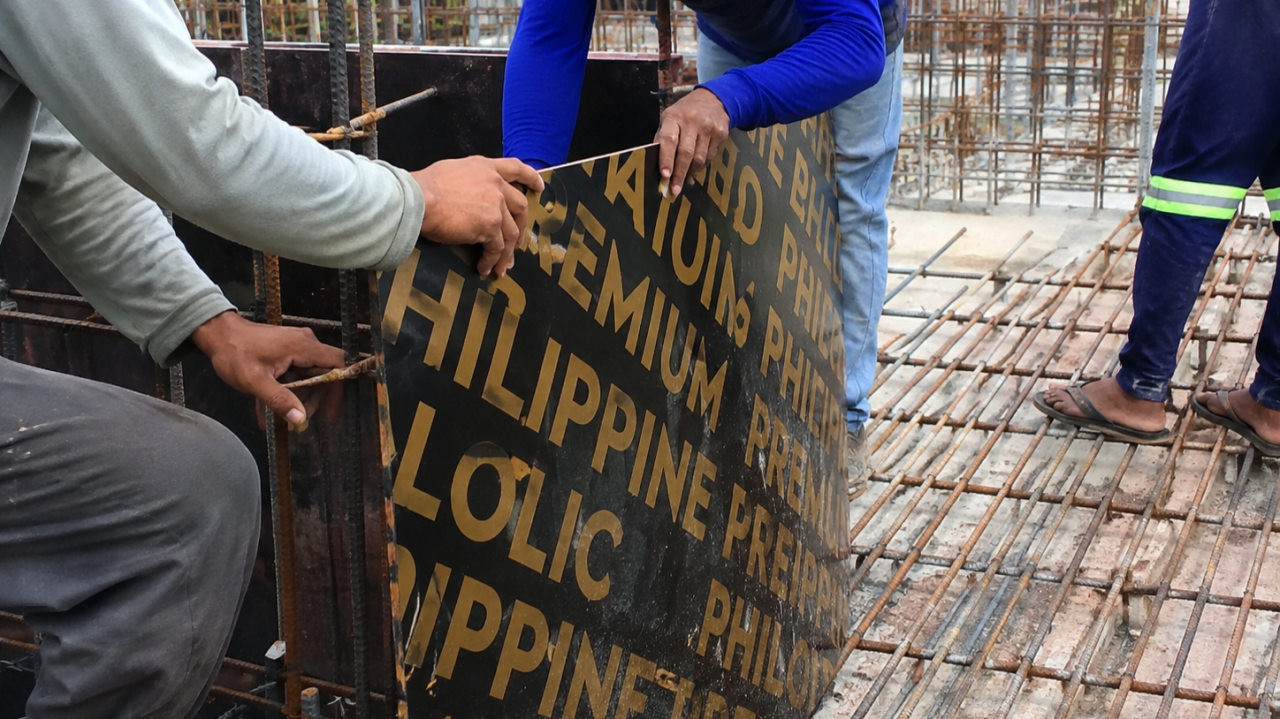
If your project involves casting concrete, look at NuForm and NuForm Lite instead: they are our engineered bamboo formwork boards with a phenolic film on both faces.
All NUMAT boards are made at our factory in Manolo Fortich, Bukidnon, from Philippine bamboo. Browse the range and build your order at numatbamboo.com/products.